If your workdays move fast, where you live can either support your routine or slow it down. Westchester stands out for many Westside professionals because it offers a practical mix of residential streets, access to major job centers, and unusually easy airport connectivity. If you are weighing convenience, home styles, and day-to-day livability, this guide will help you see why Westchester keeps landing on smart buyers’ short lists. Let’s dive in.
Westchester fits a busy schedule
For many professionals, the biggest selling point is simple: Westchester makes movement easier. The Westchester-Playa del Rey Community Plan points to the neighborhood’s proximity to Playa Vista, Culver City, Santa Monica, Century City, the South Bay, and Los Angeles International Airport, along with access to the I-105 and I-405 freeways.
That kind of location can matter a lot when your week includes office time, client meetings, dinners across the Westside, or frequent flights. Instead of choosing between a residential setting and regional access, Westchester offers a realistic middle ground.
Access to Westside job hubs
Westchester works well for buyers who want to stay connected to several employment centers at once. The community plan specifically highlights nearby destinations like Playa Vista, Culver City, Santa Monica, Century City, and the South Bay, which gives you flexibility if your work is not tied to just one neighborhood.
That can be especially useful if your role includes changing schedules or multiple work sites. You may not be commuting to the same place every day, and Westchester’s location supports that kind of flexibility better than many neighborhoods that feel more tucked away.
Airport convenience is a real advantage
If you travel often, Westchester’s relationship to LAX is one of its clearest strengths. Metro’s LAX/Metro Transit Center connects the C and K Lines to the airport through a free shuttle that runs every 10 minutes between the station and all terminals.
The station also serves Culver CityBus 6 and Rapid 6, along with additional Metro and regional bus service. For someone balancing home life, local work, and regular travel, that adds a layer of convenience that is hard to ignore.
Westchester feels residential by design
Convenience matters, but so does how a neighborhood feels when you come home. Westchester has a distinct identity rooted in its history as a modern planned community created during World War II, with housing, services, and commercial areas planned together.
That planning history still shows up today in the layout. SurveyLA notes curving streets, generous setbacks, and neighborhood-scale commercial nodes, which help explain why many parts of Westchester feel more residential and composed than buyers might expect this close to major regional infrastructure.
Common homes in Westchester
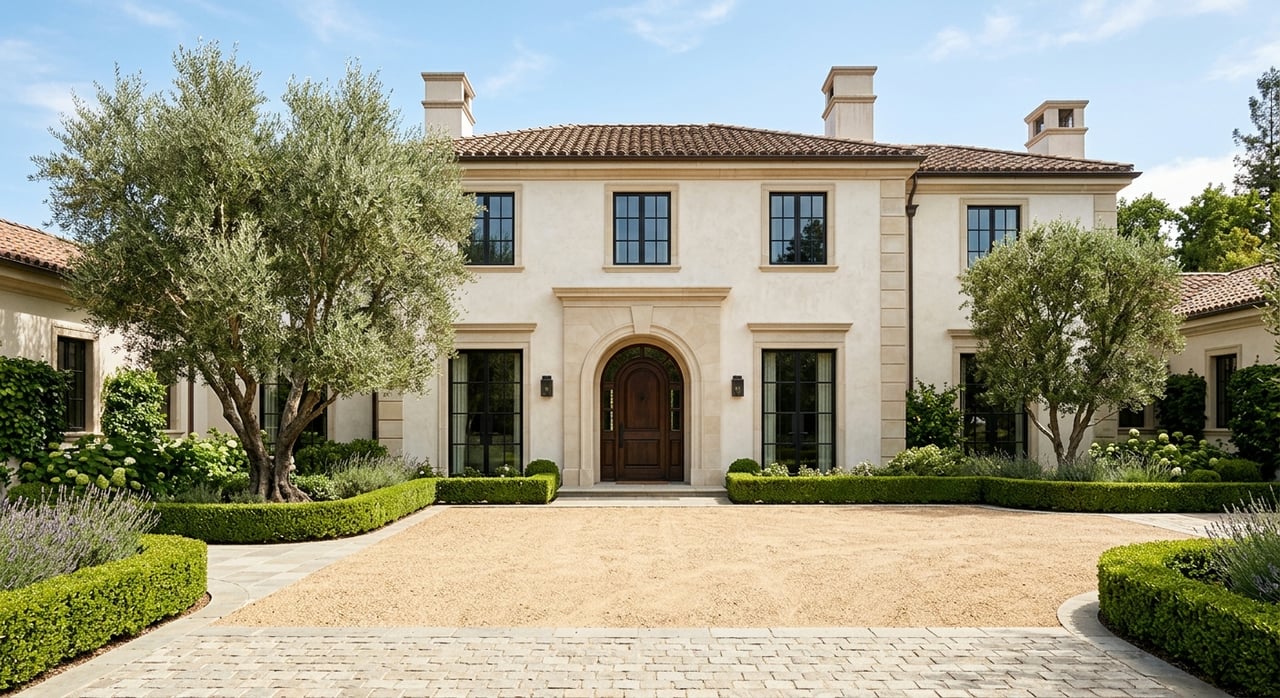
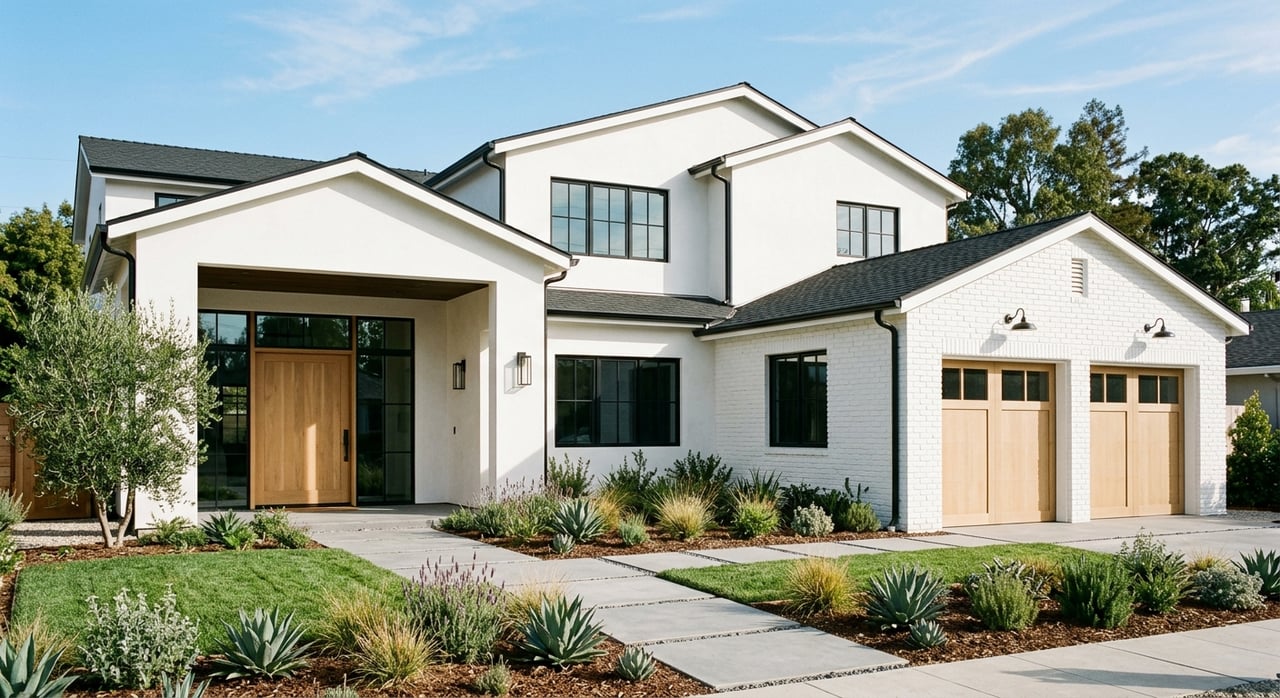
If you are shopping here, you will likely notice that detached homes shape much of the neighborhood’s character. The community plan states that 73% of residential land is designated single-family, and those neighborhoods are spread widely north of Manchester Avenue.
Most residential development dates to the 1940s, 1950s, and 1960s, according to SurveyLA. Common architectural styles include Minimal Traditional and Ranch, which gives the area a postwar Westside look that many buyers find appealing for its simplicity, scale, and usable lots.
Condo and townhome options exist too
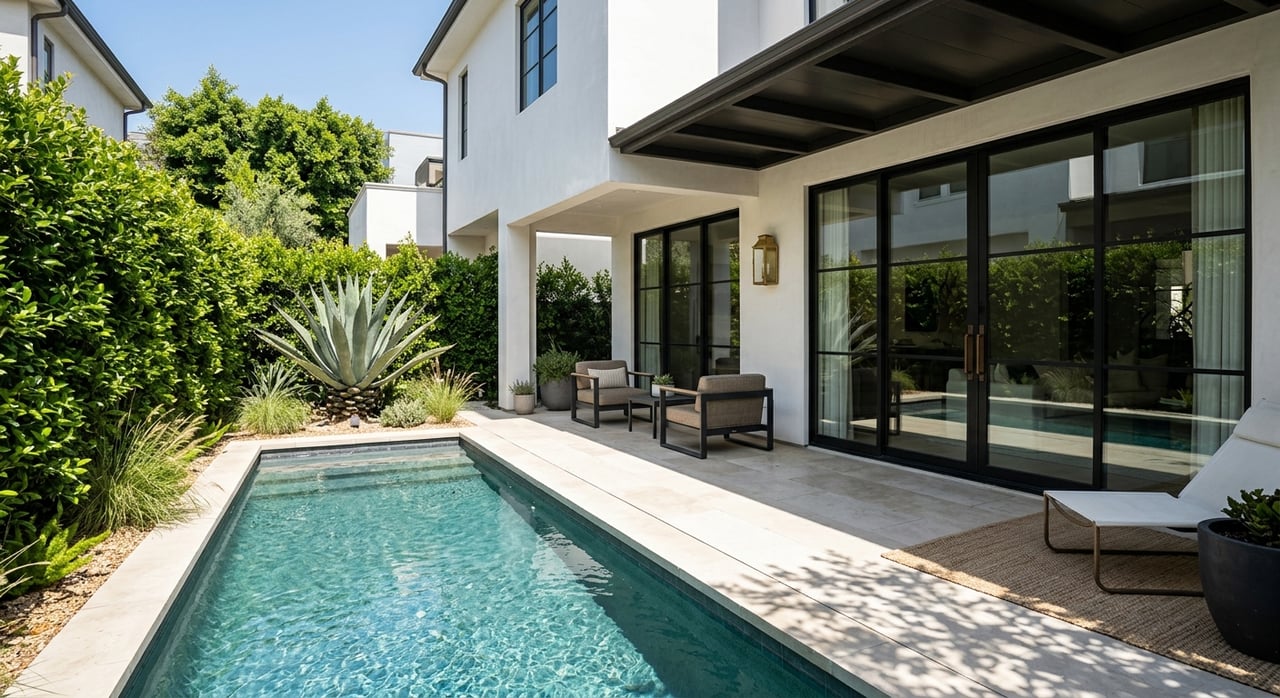
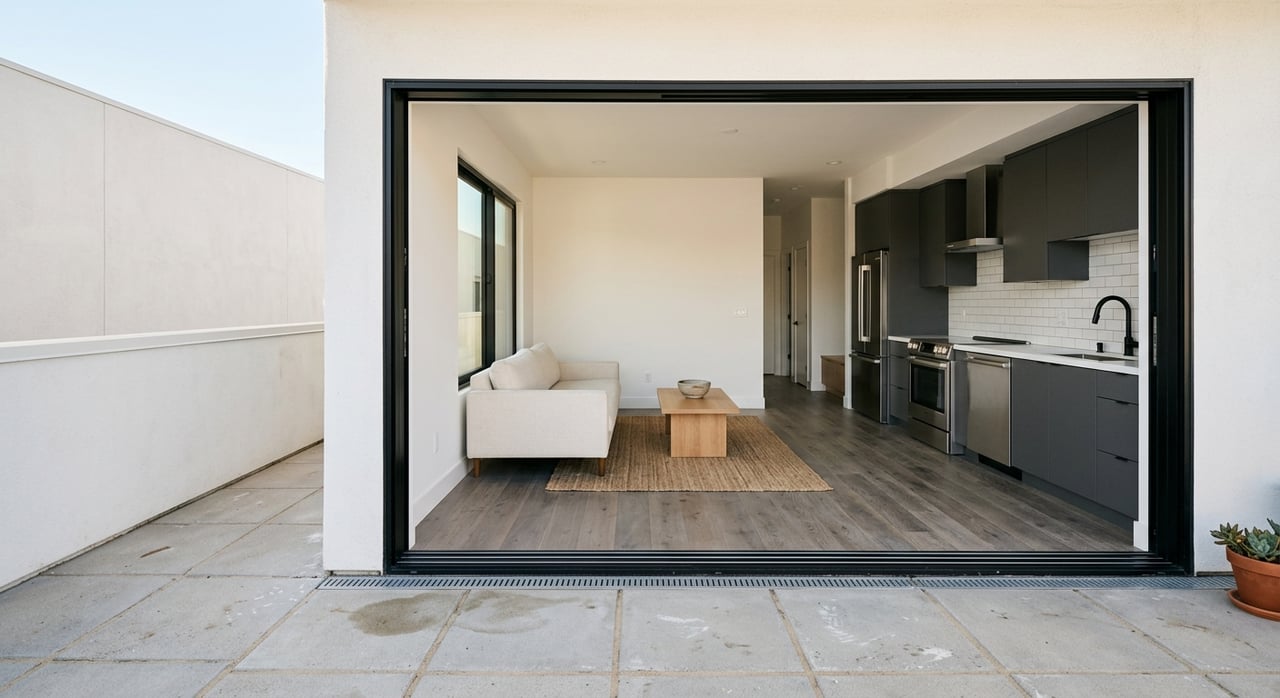
Westchester is not only about detached houses. The city’s planning documents also note a meaningful multi-family presence in nearby areas like Playa Vista and Playa del Rey, as well as along major corridors in the broader plan area.
That means buyers may find some condo and townhome options while still benefiting from Westchester’s larger residential identity. If you want lower maintenance or a different price point than a detached home, that can widen your options without pulling you too far from the same daily convenience story.
Daily convenience goes beyond the commute
Westchester’s appeal is not just about getting in and out quickly. The community plan identifies two regional commercial centers in Westchester: the Century Boulevard and 98th Street area tied closely to LAX, and the Howard Hughes Center at Sepulveda Boulevard and Howard Hughes Parkway, described as a major retail, entertainment, and office district.
That matters because busy professionals often need more than a short commute. You also want errands, services, dining, and everyday essentials within a practical orbit, and Westchester benefits from being close to established commercial activity.
A neighborhood with room to evolve
Another useful detail from the community plan is that Downtown Westchester still has room for physical improvement and economic development. For buyers, that suggests a neighborhood that is already well located but may continue to improve over time.
That does not guarantee a specific outcome, of course. Still, it adds to Westchester’s appeal for people who want a practical Westside location with an established identity and some runway for future enhancement.
The tradeoff: airport noise and traffic
No neighborhood is perfect, and Westchester’s biggest convenience can also be its biggest consideration. Official planning documents state that proximity to LAX brings significant employment and business opportunities, but also environmental impacts such as aircraft noise and airport-related traffic.
That is why it is important to evaluate Westchester block by block. Two homes in the same broader neighborhood can feel very different depending on their location, flight path exposure, and street setting.
Noise mitigation is part of the picture
The noise issue is not ignored by local agencies. Los Angeles World Airports says it works with the FAA on noise-abatement procedures, and its residential soundproofing program began in Westchester and Playa del Rey before eventually soundproofing more than 7,300 residential units near LAX.
The current program is complete, and LAWA still accepts noise comments. For buyers, the takeaway is not that noise disappears, but that this is a known factor with a long history of local mitigation efforts.
What the market suggests right now
Recent market data shows Westchester with a median sale price of about $1.63 million over the three months ending May 2026. Homes were selling in roughly 36 days, and the market was described as somewhat competitive.
For busy buyers, that usually means preparation matters. If Westchester is on your list, it helps to understand the local inventory mix, move quickly on the right fit, and compare tradeoffs clearly between home condition, lot size, location, and noise exposure.
Why buyers keep circling back
Westchester tends to make sense for professionals who want a residential setting without giving up regional access. You get a neighborhood shaped largely by single-family homes, strong proximity to major Westside destinations, and a direct relationship to LAX and Metro connections.
That combination is not easy to find. Some neighborhoods offer more privacy but less convenience, while others offer connectivity without the same residential feel. Westchester often lands in the sweet spot for buyers trying to balance both.
How to evaluate Westchester the right way
If you are seriously considering Westchester, it helps to look at the neighborhood through a practical lens. Focus on how each property supports your daily life, not just how it looks online.
A smart evaluation usually includes:
- Your most common commute routes
- How often you use LAX
- The feel of the immediate block and surrounding streets
- The balance between detached homes and multi-family buildings nearby
- Home style, lot size, and renovation needs
- Daytime and evening noise levels
For many professionals, that level of detail makes the difference between a home that is merely convenient and one that truly fits the rhythm of your life.
Why local guidance matters here
Westchester is nuanced. On paper, the neighborhood offers clear advantages, but the experience can vary meaningfully from one pocket to the next.
That is where local knowledge becomes valuable. If you are buying or selling in Westchester, it helps to work with someone who understands the tradeoffs, can identify the blocks that best match your priorities, and can guide you through the process with clear, responsive advice. If you want a thoughtful, high-touch approach to your Westside move, connect with Mitch Bassett.
FAQs
Is Westchester in Los Angeles a good fit for busy professionals?
- Yes. Westchester offers access to the I-105 and I-405, proximity to Playa Vista, Culver City, Santa Monica, Century City, the South Bay, and direct airport connectivity through the LAX/Metro Transit Center.
What types of homes are most common in Westchester?
- Detached homes are the dominant housing type. City planning documents state that 73% of residential land is designated single-family, with many homes dating to the 1940s through 1960s.
Are there condos or townhomes in Westchester?
- Yes. While Westchester leans heavily single-family, planning documents note multi-family housing along major corridors and in nearby parts of the broader plan area, which can create condo and townhome options.
How convenient is Westchester for LAX travel?
- Very convenient. The LAX/Metro Transit Center connects the C and K Lines to LAX through a free shuttle running every 10 minutes to all terminals, with additional bus connections as well.
Is aircraft noise a concern in Westchester?
- It can be. Local planning documents identify aircraft noise and airport-related traffic as real impacts of LAX proximity, so buyers should evaluate homes carefully on a block-by-block basis.
What is Westchester’s housing market like right now?
- Recent market data showed a median sale price of about $1.63 million, homes selling in around 36 days, and a somewhat competitive market over the three months ending May 2026.
Why does Westchester feel different from some nearby neighborhoods?
- Its history as a planned community helps explain its curving streets, generous setbacks, and neighborhood-scale commercial areas, which contribute to a more residential feel despite strong regional access.