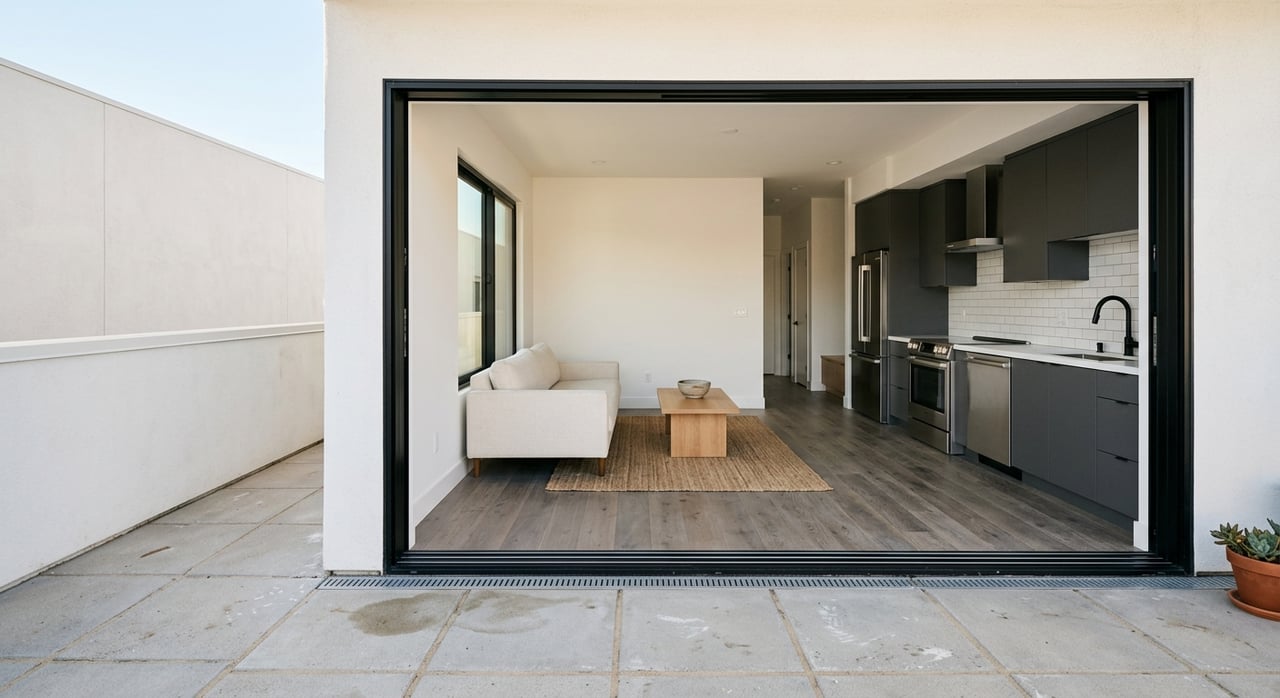
If you want to live on the Westside, you already know the challenge: each neighborhood offers a different mix of price, pace, housing style, and day-to-day feel. Mar Vista often enters the conversation when you want a residential setting without jumping straight to the highest coastal premiums. This guide will help you see where Mar Vista fits, how it compares with nearby Westside options, and why it can be a smart neighborhood to keep on your shortlist. Let’s dive in.
Where Mar Vista Sits on the Westside
Mar Vista is part of the City of Los Angeles’ Palms-Mar Vista-Del Rey Community Plan area, about 10 miles west of downtown. The broader area borders Santa Monica, Culver City, and Marina del Rey, which helps explain why buyers often consider it alongside several different Westside search zones.
City planning documents describe Mar Vista as predominantly residential. Those same documents note lower-scale housing west of Sawtelle Boulevard, with more commercial and mixed-use activity along corridors like Venice and Sawtelle.
For you as a buyer, that geography matters. Mar Vista can feel like a middle ground between beach-adjacent neighborhoods and more corridor-driven inland areas, especially if you want a Westside location with a strong residential identity.
Why Mar Vista Stands Out
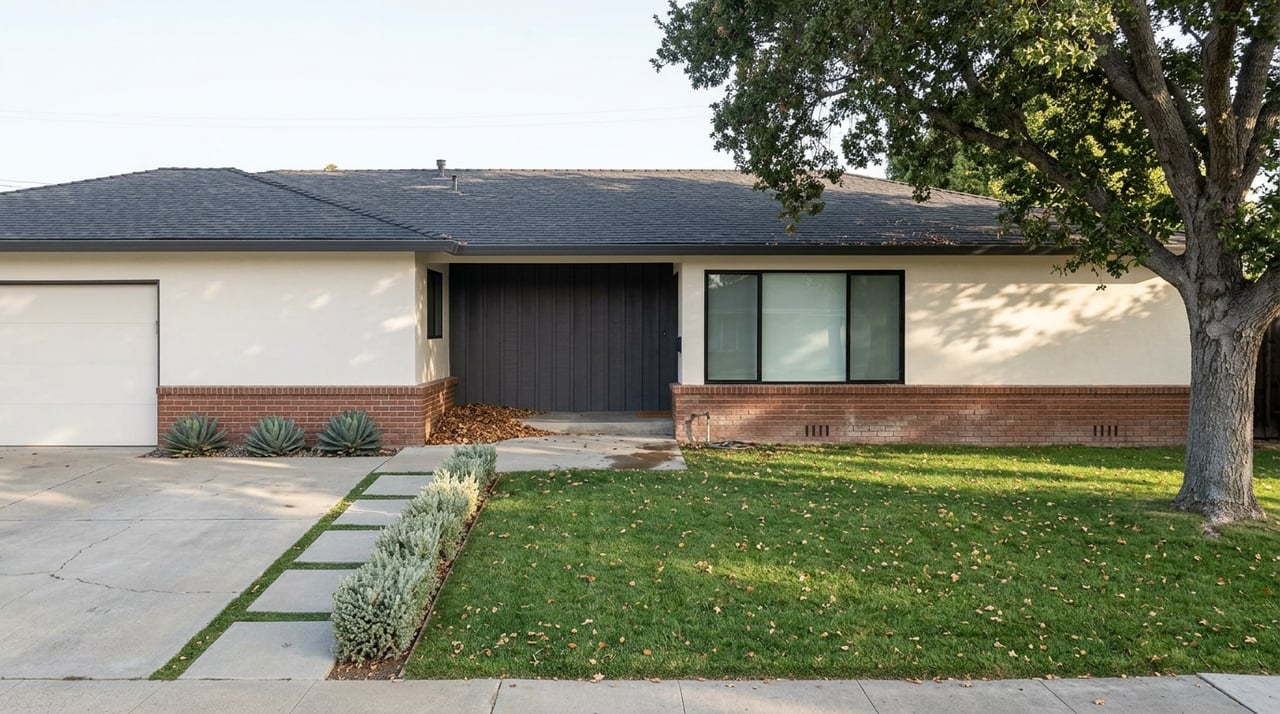
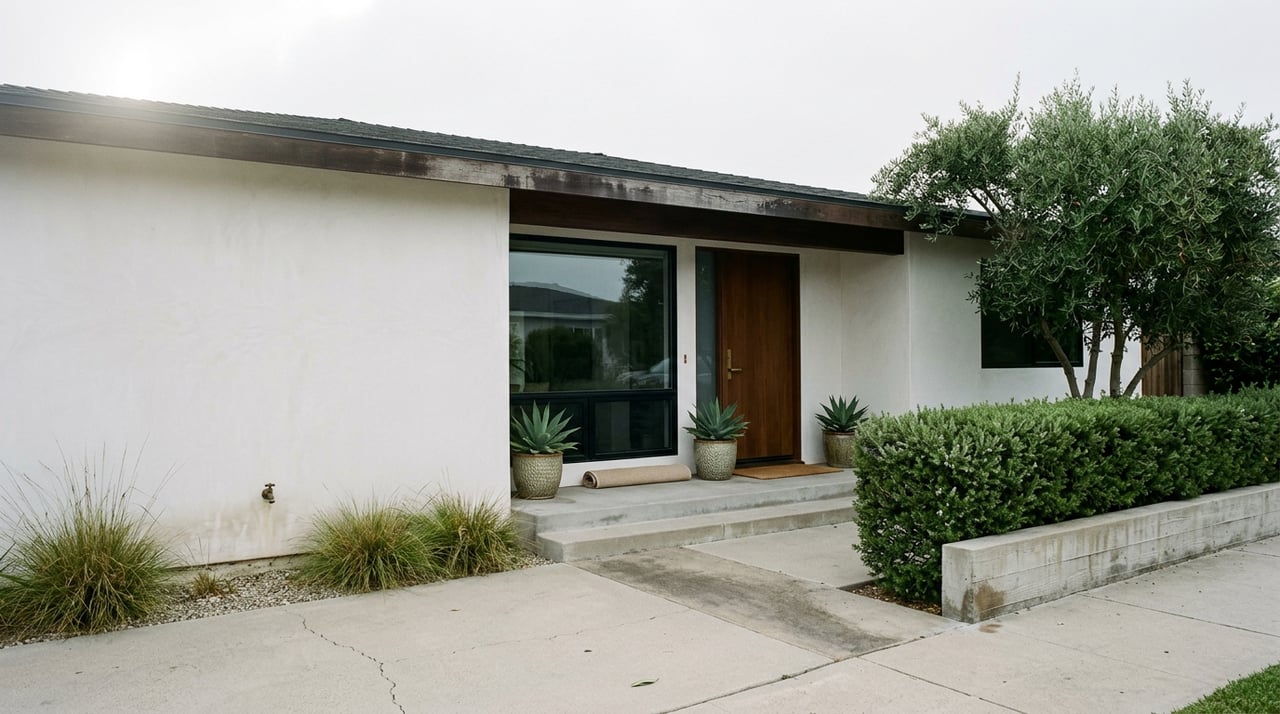
One of Mar Vista’s clearest strengths is its housing character. City Planning says much of its single-family development dates to the early 20th century, with styles that include Craftsman, Neoclassical, Spanish Colonial Revival, and Tudor Revival.
That gives the neighborhood a sense of architectural variety without losing cohesion. If you care about streets with established homes and a more classic residential fabric, Mar Vista often reads differently from nearby areas that lean more heavily toward mixed-use or denser housing patterns.
Mar Vista also includes the Gregory Ain Mar Vista Tract, a 52-property HPOZ. The Los Angeles Conservancy describes it as the city’s first designated historic district made up entirely of Modern-style postwar homes, which adds another layer to the neighborhood’s identity.
How Mar Vista Compares to Venice
Venice and Mar Vista may show up in the same search, but they offer different experiences. City Planning describes Venice as having a more eclectic historic fabric, including single-family homes, bungalow courts, apartment houses, garden apartments, walk-street districts, and the canals.
That mix helps give Venice a more coastal and design-forward identity. Mar Vista, by comparison, tends to present a more consistently residential and lower-scale feel.
The market data also points to a difference in pace. In March 2026 Redfin sold data, Mar Vista had a median sale price of $2.075 million, about $1.01K per square foot, 35 median days on market, and a 101.7% sale-to-list price ratio.
For Venice, Redfin’s March 2026 sold data showed a median sale price of $1.8875 million, about $1.15K per square foot, and 81 days on market. Realtor.com also classified Venice as a buyer’s market, with homes selling about 1.6% below asking on average.
The takeaway is not simply that one neighborhood is cheaper than the other. It is that Mar Vista appears to offer lower sold price per square foot than Venice while also moving faster, based on the March 2026 market snapshots.
How Mar Vista Compares to Santa Monica
Santa Monica is a useful comparison point, but it is not one uniform market. Its official visitor guide describes eight distinct neighborhoods, and those pockets range from denser downtown areas to more locally scaled residential sections.
That is why broad citywide comparisons can only tell you so much. A search that says “Santa Monica” may include very different housing options, price points, and neighborhood patterns depending on the pocket.
On Redfin’s March 2026 citywide sold data, Santa Monica had a median sale price of $1.5645 million, 52 days on market, and a 98.1% sale-to-list ratio. Realtor.com’s May 2026 city summary showed a $1.595 million median listing price, about $1.085K per square foot, and balanced-market conditions.
Within Santa Monica, Realtor.com reported neighborhood-level median listing prices ranging from about $939,000 in Pico to $4.52 million in North of Montana. That spread is a good reminder that if you are weighing Mar Vista against Santa Monica, pocket-by-pocket comparisons are far more useful than citywide averages.
How Mar Vista Compares to West LA
West Los Angeles is also broad rather than uniform. The city’s draft planning documents describe a mix of single-family neighborhoods, duplexes, larger multifamily buildings along commercial corridors, and mixed-use or infill development on key boulevards.
That mix can be appealing if you want more housing types and more corridor-oriented living. But if your priority is a neighborhood that feels more anchored by low-scale residential blocks, Mar Vista may line up more closely with your search.
Realtor.com’s March 2026 summary for West Los Angeles showed a $1.026 million median listing price, 46 median days on market, a 99% sale-to-list ratio, and balanced-market conditions. The same source showed meaningful variation within the area, including about $977,000 in Sawtelle, about $1.897 million in Rancho Park, and about $1.2625 million in North Westdale.
Again, the key is not to treat “West LA” as a single product. If you are seriously comparing Mar Vista to West Los Angeles, it helps to match specific pockets by housing type, street pattern, and budget rather than by broad label.
What the Market Suggests About Value
Mar Vista’s value story is not about being the cheapest Westside option. The more useful takeaway is that current data suggests a lower sold price per square foot than Venice or Santa Monica, while still offering a more residential and low-scale setting.
In Redfin’s March 2026 sold data, Mar Vista came in around $1.01K per square foot. That compared with about $1.15K in Venice and about $1.085K in Santa Monica citywide.
Those numbers should be used directionally, not as perfect apples-to-apples comparisons. The data combines sold-price and listing-based sources from slightly different time windows, and both Santa Monica and West Los Angeles include broad submarkets with major differences from one pocket to the next.
Still, the pattern is useful. If you want Westside access, architectural character, and a more residential profile, Mar Vista may offer a strong balance of those factors.
Who Mar Vista Fits Best
Mar Vista can make sense if you want a Westside base that feels more residential than Venice. It can also fit if you want to stay away from the strongest beach premium pockets while still remaining tied into the broader Westside.
The neighborhood’s housing mix supports more than one type of buyer. Research suggests it can work as both a starter base and a long-term home base, thanks to a mix that includes smaller historic single-family homes, some multifamily housing, and a strong neighborhood identity.
It may be especially worth a look if you are balancing several goals at once, such as home style, access to nearby Westside hubs, and a setting that feels less driven by major commercial corridors. In that sense, Mar Vista often earns its place as a practical middle-ground option.
What Buyers Should Keep in Mind
If Mar Vista is on your list, do not assume it will be a slow or highly negotiable market. The March 2026 data points to continued competition, including a 101.7% sale-to-list ratio on Redfin’s sold data and a seller’s market classification on Realtor.com.
That means preparation matters. If the right home comes up, you will likely benefit from knowing your budget, your must-haves, and how flexible you are on condition, lot size, or architectural style.
It also helps to compare Mar Vista in a focused way. Instead of asking whether it is “better” than Santa Monica, Venice, or West LA, ask which neighborhood gives you the best match for your priorities in housing type, pace, and value.
Why Mar Vista Belongs on Your Shortlist
For many Westside buyers, Mar Vista earns attention because it offers a rare blend of location, residential character, and relative value. It is close enough to major Westside destinations to stay connected, while maintaining a neighborhood identity that feels distinct from more coastal or corridor-heavy alternatives.
If your search is getting pulled between lifestyle goals and budget reality, Mar Vista may be one of the most balanced options to evaluate carefully. It is not the answer for every buyer, but it often makes sense for people who want the Westside without committing to the most obvious version of it.
If you want help comparing Mar Vista with Venice, Santa Monica, or other Westside pockets in a more tailored way, Mitch Bassett can help you build a sharper, data-informed search strategy.
FAQs
How does Mar Vista fit into a Westside home search?
- Mar Vista often fits as a middle-ground Westside option, offering a more residential setting than Venice and a different value profile than many Santa Monica or West LA pockets.
Is Mar Vista cheaper than Venice or Santa Monica?
- On March 2026 Redfin sold price per square foot, Mar Vista was lower than both Venice and Santa Monica citywide, though absolute median prices and neighborhood-level comparisons are more nuanced.
Does Mar Vista have mostly single-family homes?
- City Planning describes Mar Vista as having a strong single-family identity, with much of its development dating to the early 20th century, alongside some multifamily and corridor housing.
Is Mar Vista a competitive housing market?
- The March 2026 data suggests yes, with Redfin showing 35 median days on market and a 101.7% sale-to-list ratio, while Realtor.com classified it as a seller’s market.
Should you compare Mar Vista to all of Santa Monica or West LA?
- It is better to compare Mar Vista to specific pockets, because both Santa Monica and West Los Angeles include multiple submarkets with very different prices, housing types, and neighborhood patterns.