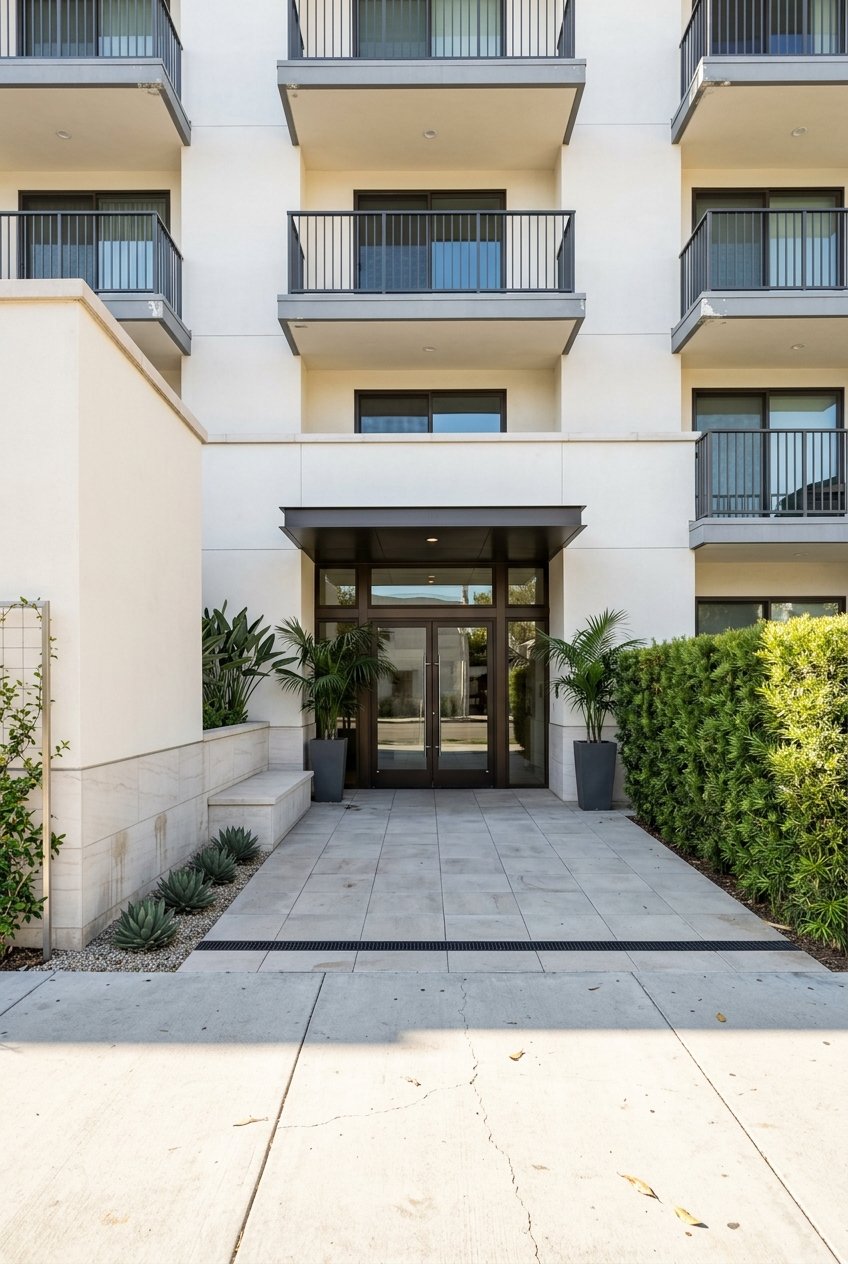
Picture yourself stepping out to Westwood Village for coffee, then riding the elevator back to a quiet condo with city views. If you want low‑maintenance living near UCLA, the Wilshire Corridor and surrounding Westwood blocks deliver a strong mix of full‑service towers, mid‑century high‑rises, and boutique buildings. You may be weighing price, HOA fees, rent potential, and the coming Metro D Line extension. This guide walks you through what to expect, what it costs, and how to buy with confidence. Let’s dive in.
Why Westwood high‑rise living stands out
The Wilshire Corridor, sometimes called Condo Canyon, lines Wilshire Boulevard with a dense collection of high‑rise residences between Westwood and Century City. These buildings offer a vertical lifestyle with concierge services, valet, and secure parking that you typically do not find in single‑family pockets. Living here puts you near UCLA, major hospitals, and job centers in Century City, Beverly Hills, and Santa Monica.
Walkability and convenience vary by block. Buildings closer to Westwood Village often make it easier to reach shops and dining on foot. If you want to compare towers and amenities quickly, start with this overview of Wilshire Corridor buildings.
What you can buy on the Wilshire Corridor
Full‑service luxury towers
These 24 to 30 story plus buildings sit right on Wilshire and deliver hotel‑style living. Typical amenities include 24/7 concierge or doorman, valet parking, on‑site management, pool and spa, fitness centers, and guest suites. HOA dues are higher, but resale strength and service levels often justify the premium. See a representative amenity set on The Wilshire building profile.
Mid‑century high‑rises
Many 1960s to 1980s towers offer large floor plans, robust concrete construction, and variable amenities. You may find lower HOA dues than the top luxury towers, along with classic layouts and generous living rooms. Buyers should pay close attention to reserve strength and planned capital work, since older buildings sometimes schedule elevator, facade, or mechanical upgrades.
Boutique and side‑street options
Newer mid‑rise or smaller condo buildings off Wilshire often trade some services for lower monthly dues. Expect modern finishes, assigned parking, and a smaller resident community. For buyers focused on value, these properties can balance location, condition, and monthly costs.
How much Westwood condos cost
Price ranges are wide because service level, size, floor, view, and updates vary by building. As a general 2024 to 2026 guide: studios and small one‑bedrooms in older towers often trade around 450,000 to 800,000. Larger one‑bedrooms and many two‑bedrooms can range from about 700,000 to 2 million. Three‑bedrooms, combined units, and penthouses in elite towers can reach from roughly 1.5 million to the high millions. Always compare by building, floor, view, and renovation level.
HOA dues vary just as much. Lower‑service older buildings often show monthly dues in the 1,000 to 2,500 range. Full‑service luxury towers commonly range from about 3,000 to 6,000 or more for larger two to three bedroom residences. Review what the HOA covers, since inclusions like water, gas, electricity, cable, security, and earthquake insurance can change your effective monthly cost. For a reference point, see example ranges at The Wilshire Regent.
Monthly costs beyond your mortgage
Beyond principal and interest, budget for HOA dues, homeowners insurance, and any supplemental earthquake coverage if not carried by the association. Ask for a clear list of utilities and services included in dues, plus any building cable or internet agreements. If you plan to install an EV charger, confirm the HOA’s written policy and any fees up front.
Rents, demand, and investor rules
Westwood is a rental‑heavy market, which matters for both investors and owner‑occupants. As of February 21, 2026, the neighborhood’s average rent is about $3,695 per month, with studios around $2,392, one‑bedrooms near $3,223, and two‑bedrooms around $4,416 according to RentCafe’s Westwood page. Roughly 68 percent of households are renter‑occupied. These figures help you estimate lease revenue and compare buy versus rent decisions.
Short‑term rentals face strict limits in the City of Los Angeles. The Home‑Sharing Ordinance generally restricts short‑term rentals to an owner’s primary residence and requires registration. Most investment condos in Westwood are not eligible for whole‑unit vacation rental operations. Review the city’s Home‑Sharing Code of Conduct and verify your building’s leasing rules before you buy.
Commute, transit, and the D Line extension
Connectivity is changing. LA Metro’s D Line (Purple) Extension is under active construction, with Section 1 scheduled to open May 8, 2026 and Section 3, which includes the Westwood and UCLA areas, in ongoing construction. Units within easy reach of the future Westwood stations often command a location premium. Keep an eye on updates from Metro’s D Line project page for the latest status and timing.
Who Westwood condos fit best
- Professionals: You may prefer newer one‑bedrooms or efficient two‑bedrooms near Westwood Village for walkability and low‑maintenance living. Security, amenities, and quick access to major job centers tend to be top priorities.
- Downsizers: Full‑service towers offer concierge support, single‑level living, and on‑site amenities that replace exterior maintenance tasks. Higher dues can be an acceptable tradeoff for comfort and convenience.
- Investors: Strong rental demand is supported by UCLA and nearby medical and professional hubs. Focus on HOA leasing policies, reserve health, and unit warrantability, and remember that most short‑term rentals are not permitted.
- Households buying for students or faculty: Proximity to UCLA and medical facilities can be helpful. Confirm building parking rules, guest policies, and any leasing limits if you plan to rent the unit later.
Smart buyer checklist for Westwood condos
Use this list during pre‑offer review and escrow. Ask your agent and lender to verify each item for your specific building.
- HOA documents: Request CC&Rs, bylaws, rules, the current budget, and the latest reserve study. California HOAs must perform periodic reserve studies and provide disclosures. Read a practical overview of Davis–Stirling requirements on this HOA compliance guide.
- Meeting minutes: Review the last 12 to 24 months for clues about upcoming repairs, assessments, or policy changes. The Greater LA CAI chapter provides reference to the Davis–Stirling Act for context on HOA governance.
- Inspection reports: For buildings with balconies or exterior elevated elements, confirm SB 326 inspection status and any planned repairs. See a plain‑English summary of SB 326 balcony inspections.
- Insurance: Obtain the HOA insurance summary and verify earthquake coverage. Ask your insurer for a unit policy quote based on the association’s master policy.
- Financing and warrantability: Some projects qualify for FHA or VA financing, others do not. Check the federal database early using HUD’s FHA condominium lookup and ask your lender for a condo project review.
- Leasing rules: Confirm rental caps, minimum lease terms, and owner‑occupancy requirements. If you plan to rent, ask for the current rental ledger and rules in writing.
- Short‑term rentals: Review the city’s Home‑Sharing Ordinance and your building’s rules before assuming any short‑term income. Reference the Home‑Sharing Code of Conduct.
- EV charging: California Civil Code §4745 limits unreasonable restrictions on owner‑installed EV charging equipment, but you must follow architectural standards and carry insurance. Read the statute text for EV charging rights.
- Special assessments: Ask for a list of past assessments and any near‑term capital projects, such as elevator modernization, facade or waterproofing work, and plumbing stacks. These are common cost drivers in high‑rise buildings.
Buying strategy and timing tips
- Compare by building, not just by price per square foot. Service level, reserves, and included utilities can shift your monthly cost more than you expect.
- Verify noise and commute at different times of day. Visit the lobby and amenity spaces to feel how the building operates when it is active.
- Get pre‑approved and have your lender ready for condo project reviews. If the building is non‑warrantable, discuss down payment and rate options before you write an offer.
- Use clear contingencies. Inspection, appraisal, and HOA document review periods protect you while you confirm building health and costs.
Next steps
If Westwood high‑rise living near UCLA fits your lifestyle, let’s tailor a search by building, view, and service level. From curated on‑market options to discreet off‑market conversations, you get local insight and white‑glove support from first tour to close. When you are ready, connect with Mitch Bassett to Book an Appointment.
FAQs
What does “full‑service” mean in Westwood high‑rises?
- Full‑service towers typically include 24/7 concierge or doorman, valet parking, on‑site management, secure parking, a pool and gym, and guest suites, which increase convenience but also raise monthly HOA dues.
What is the average rent in Westwood and why does it matter for buyers?
- As of February 21, 2026, average rent is about $3,695 per month according to RentCafe, which helps you benchmark potential lease revenue or compare the cost of owning to renting in the neighborhood.
Are short‑term rentals allowed in Westwood condos near UCLA?
- The City of Los Angeles generally limits short‑term rentals to an owner’s primary residence and requires registration, so most investment condos are not eligible for whole‑unit vacation rental operations.
How much are HOA fees on the Wilshire Corridor?
- Older or lower‑service buildings often range around $1,000 to $2,500 per month, while luxury full‑service towers commonly run about $3,000 to $6,000 or more for larger residences, depending on what is included.
How will the Metro D Line extension affect condo values?
- Proximity to the future Westwood and UCLA stations often commands a location premium, and LA Metro reports ongoing construction with Section 3 in progress, so buyers should monitor timelines and plan for improved connectivity.
Can I use FHA or VA financing for a Westwood condo?
- Some projects are approved and others are not, so you should check the HUD FHA condominium lookup and have your lender perform a condo project review early in the process.
How do I avoid surprise special assessments when buying?
- Review the HOA’s reserve study, budget, meeting minutes, and any SB 326 inspection reports, and ask for a list of planned capital projects such as elevator work or facade repairs before you remove contingencies.