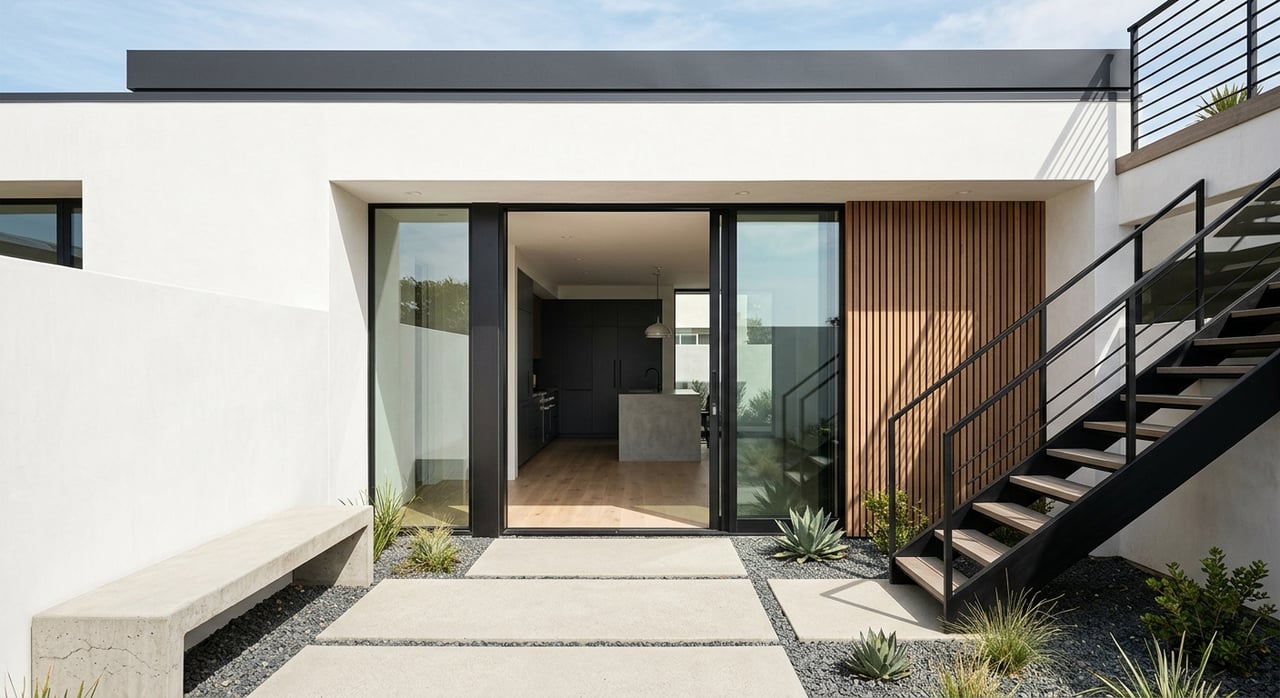
If you picture Venice as just a tourist stop on the beach, you are missing what makes it such a compelling place to live. Venice blends coastal energy, historic streets, design-driven homes, and a daily rhythm that feels different from almost anywhere else in Los Angeles. If you are thinking about buying or selling here, it helps to understand how lifestyle, housing, and local planning all work together. Let’s dive in.
Why Venice Feels So Distinct
Venice has a layered identity that goes far beyond the shoreline. City planning documents describe a neighborhood shaped by canals, walk streets, bungalows, and a long history of creative culture, while also functioning today as a multi-modal destination with residential pockets, shops, cafés, and major public spaces.
That mix is part of the appeal. You get the feeling of a coastal neighborhood, but also a place with strong architecture, a visible arts presence, and a street life that changes from block to block. According to Los Angeles City Council District 11, Venice has about 37,000 residents and a mix of residential and commercial uses that support both everyday living and visitor activity.
Venice Lifestyle at Ground Level
Boardwalk Energy
The Venice Beach Boardwalk is one of the neighborhood’s defining features. The city says Ocean Front Walk stretches about two miles and draws roughly 28,000 to 30,000 visitors a day, or more than 10 million each year.
That matters if you are considering a home in Venice. Living here can mean being close to one of Los Angeles’ most active public spaces, with street vendors, performers, beach access, and constant movement nearby. Some buyers love that buzz, while others focus their search on quieter interior blocks, walk streets, or canal areas.
Abbot Kinney and Daily Convenience
Abbot Kinney Boulevard is often the lifestyle anchor for Venice. Los Angeles Tourism describes it as a corridor lined with shops, restaurants, art galleries, wine shops, and nightlife, and the city’s planning documents identify it as a central hub for shopping, cafés, and social activity.
Beyond the high-profile spots, Venice also offers everyday neighborhood resources. The City Council District 11 neighborhood page highlights places like the Abbot Kinney Memorial Branch Library, the Friday farmers market, Canal Park, Oakwood Recreation Center, and the Venice Beach Recreation Center.
A Strong Creative Identity
Venice has long been associated with murals, public art, performance, and a more expressive design culture. City planning materials point to places like Beyond Baroque and Pacific Resident Theatre as part of the neighborhood’s cultural infrastructure.
For you as a buyer or seller, that creative identity often shows up in the built environment. It helps explain why Venice can feel more eclectic, design-forward, and visually varied than a more conventional beach community.
Venice Home Styles You Will See
Historic Character Still Matters
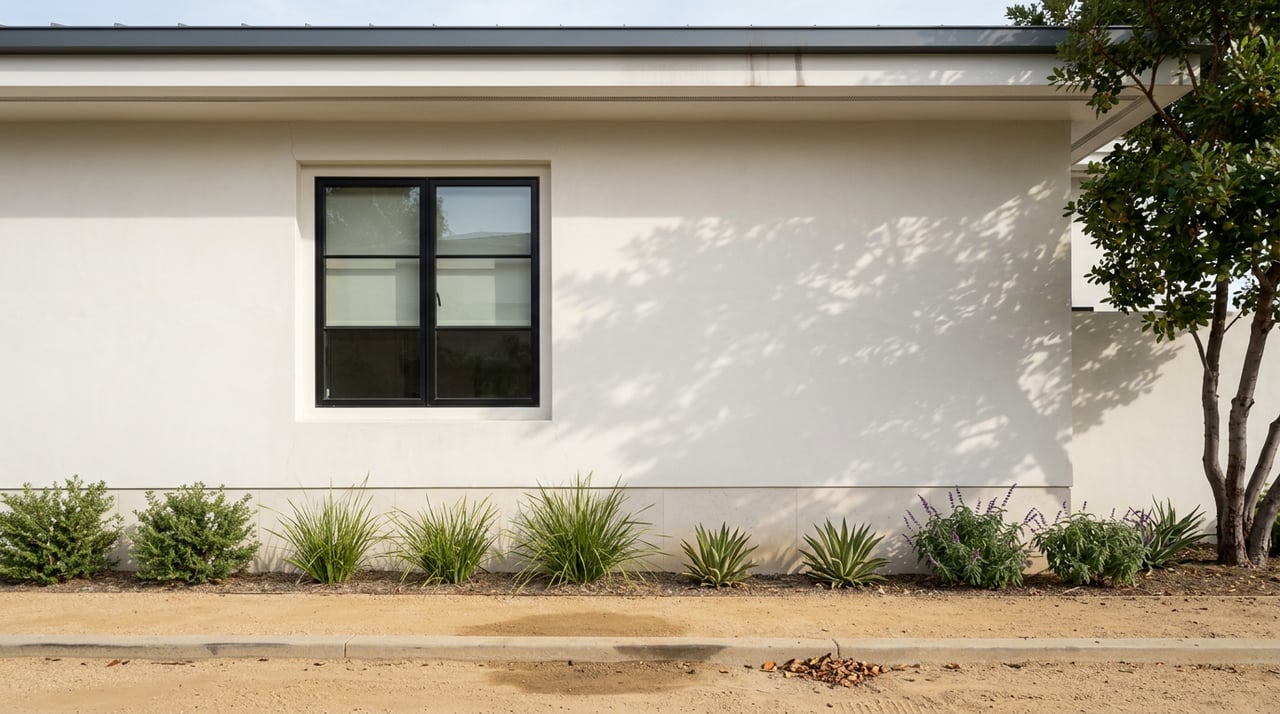
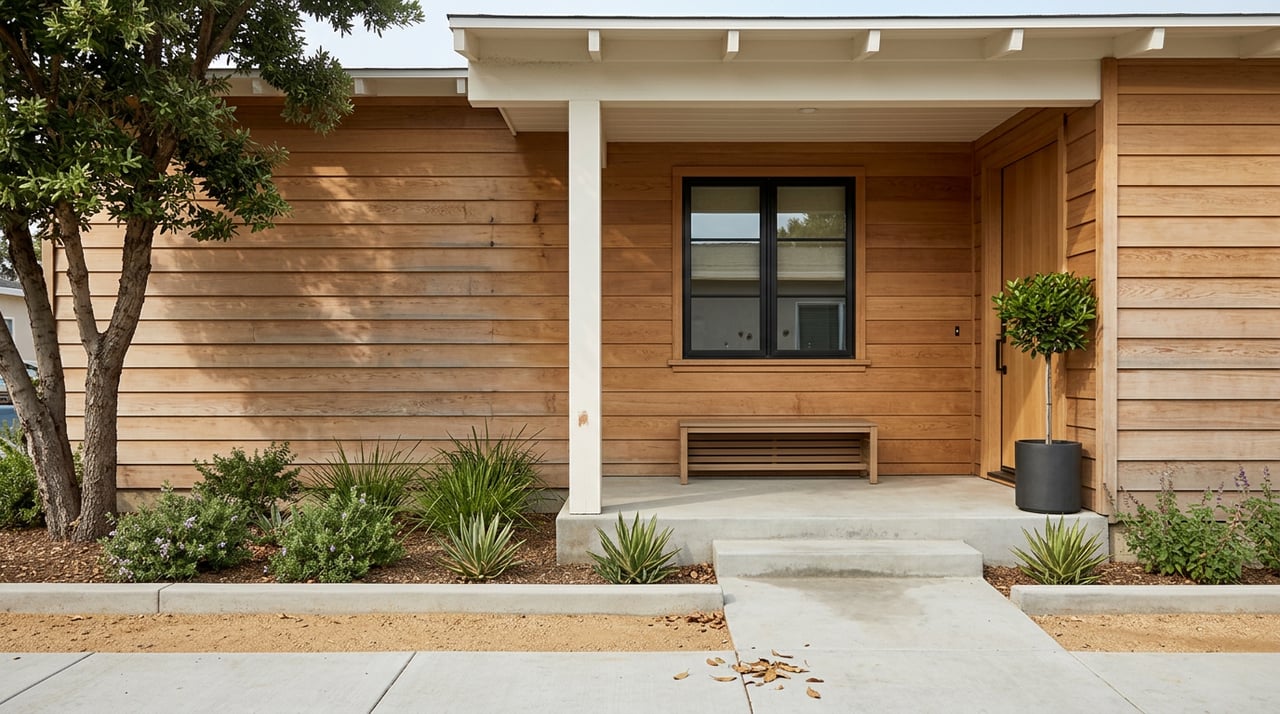
Venice’s earliest residential pattern centered on canals, walk streets, and bungalows. According to the city’s planning documents, later development added streetcar-era housing, bungalow courts, apartment-house styles, Arts and Crafts homes, and later modern and postmodern architecture.
That history still shapes the housing stock today. Even when newer homes enter the market, they often sit alongside older structures and within blocks that carry a strong historic identity.
Signature Areas With Lasting Appeal
Some of Venice’s best-known residential environments are protected or historically significant. The city identifies the Venice Canals as both a National Register historic district and a Los Angeles Historic-Cultural Monument, and planning materials also recognize the Venice Walk Streets, Milwood Walk Streets, and Lost Venice Canals as architecturally distinctive areas.
These designations matter because they influence neighborhood character and can affect what changes over time. If you are buying, they are part of understanding long-term context. If you are selling, they help explain why certain homes and locations stand out in the market.
Common Property Types in Venice
In practical terms, Venice offers a broad mix of home types. Depending on where you look, you may find:
- Historic bungalows and cottages
- Craftsman and Arts and Crafts influenced homes
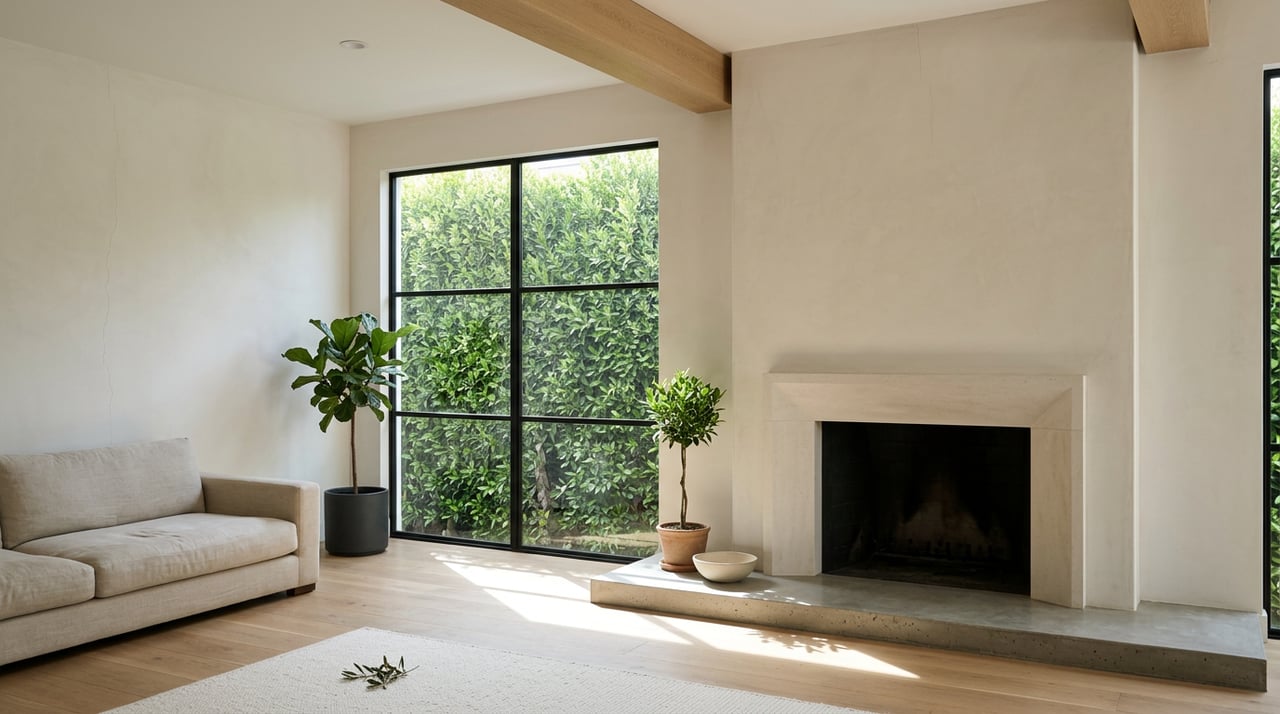
- Contemporary and ultra-modern single-family residences
- Condos near the beach
- Townhomes in various pockets
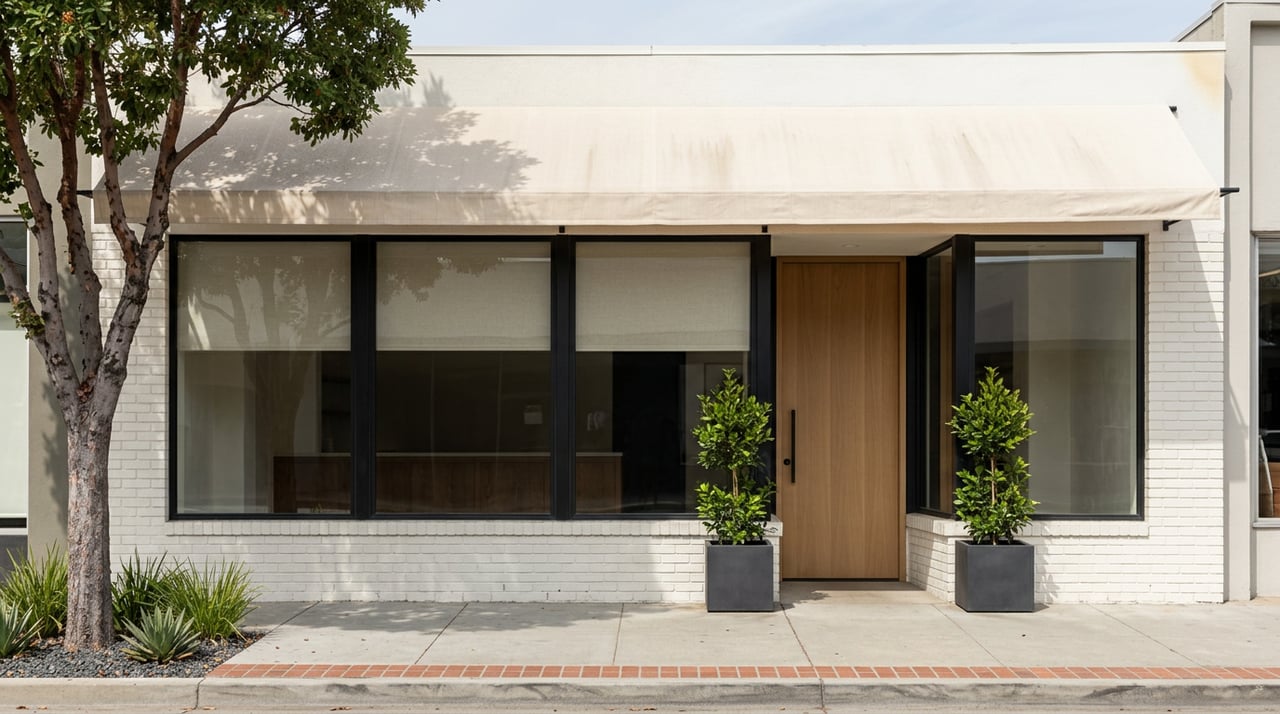
The city’s planning framework also points to design-conscious infill and adaptive reuse around places like Abbot Kinney, where newer development is expected to complement historic resources and the area’s early 20th-century character.
What Venice Buyers Should Expect
Premium Pricing
Venice remains a premium coastal market. Recent third-party market snapshots show a consistent pattern even though the metrics differ by source: Redfin reports a February 2026 median sale price of $1,999,000, Zillow’s February 28, 2026 home value index puts the average home value at $1,801,295, and Realtor.com reports a March 2026 median listing price of $2,250,000.
The exact figure depends on the dataset and methodology, but the broader takeaway is clear. Venice commands high prices, and buyers should be prepared for a market where location, design, lot characteristics, and proximity to major lifestyle corridors can all shape value.
Timing Can Vary
This is not always a sprint market in every segment. Redfin reports homes selling after 91 days on average, Zillow notes pending timelines around 69 days, and Realtor.com reports a median 45 days on market.
That range suggests a market where some homes move quickly, while others take more time depending on pricing, presentation, and micro-location. For buyers, that means opportunity can exist, but strategy still matters.
Prices Change by Pocket
Venice is not one uniform market. Realtor.com’s neighborhood overview indicates that pricing can vary notably by subarea, with places such as Venice Beach, East of Lincoln, and Windward Circle generally posting higher medians than some inland pockets.
If you are searching here, it helps to compare not just square footage and bedroom count, but also the feel and function of each area. A home near the boardwalk offers a very different day-to-day experience than one tucked into a quieter residential street.
Practical Factors That Shape Ownership
Coastal Rules and Planning Matter
Roughly 80% of the Venice Community Plan lies within the California Coastal Zone, according to the city’s draft policy document. That means development is governed by both the Coastal Act and the city’s Local Coastal Program.
This is an important point if you are considering renovation, redevelopment, or a property with long-term improvement potential. In Venice, planning and permitting can be shaped by a heavier regulatory framework than in many inland neighborhoods.
Climate Resilience Is Part of the Conversation
The city is also updating the Venice Local Coastal Program to address sea level rise and climate change. Planning materials note that shoreline development, beach access, recreation areas, habitats, canals, transportation systems, and public facilities may all be affected over time.
For buyers, this is part of due diligence. For sellers, it is part of understanding the questions informed buyers may ask, especially for homes close to the coast or canal system.
Mobility and Parking Are Real Considerations
Venice is highly walkable in many areas, and city planning emphasizes walking, bicycling, and transit access. At the same time, the community plan notes that Venice lacks direct highway connections, and the city has studied parking utilization and transportation management in the Venice Coastal Zone.
In everyday terms, your block, parking setup, and route patterns can have a real impact on how a property feels. That is one reason local context matters so much in Venice real estate.
Why Local Guidance Helps in Venice
Venice rewards a block-by-block understanding of the market. Two homes with similar size and finish can live very differently depending on proximity to the beach, boardwalk activity, walk streets, canals, parking conditions, or commercial corridors.
That is especially true in a neighborhood where architecture, planning rules, and lifestyle overlap so directly. Whether you are buying a design-forward beach home, evaluating a condo near the coast, or preparing to sell a property with strong character, a clear local strategy can help you make more confident decisions.
If you are considering a move in Venice, working with a local advisor who understands both the neighborhood’s lifestyle and its market nuances can make the process smoother. To talk through your goals with a Westside team that offers high-touch guidance, concierge support, and local market insight, connect with Mitch Bassett.
FAQs
What makes Venice different from other coastal Los Angeles neighborhoods?
- Venice stands out for its mix of beach activity, historic canals and walk streets, creative culture, varied architecture, and highly active public spaces like the boardwalk and Abbot Kinney corridor.
What types of homes can you find in Venice, Los Angeles?
- Venice includes historic bungalows, cottages, Craftsman-influenced homes, contemporary single-family residences, condos near the beach, and townhomes in several pockets.
How expensive are homes in Venice, Los Angeles?
- Recent market reports place Venice in the premium range, with median or average values roughly between $1.8 million and $2.25 million depending on the source and metric used.
What should buyers know about Venice coastal planning rules?
- Much of Venice sits within the California Coastal Zone, so development and property changes may be shaped by the Coastal Act and the city’s Local Coastal Program.
How does location within Venice affect home value and lifestyle?
- Values and day-to-day living can vary a lot by pocket, with factors like proximity to the beach, canals, walk streets, Abbot Kinney, parking, and visitor activity all influencing the experience.
Is Venice a good fit if you want a walkable coastal lifestyle?
- Venice can be a strong fit if you value walking, biking, beach access, and nearby shops and dining, but it is also important to consider traffic, parking, and visitor volume depending on the block.