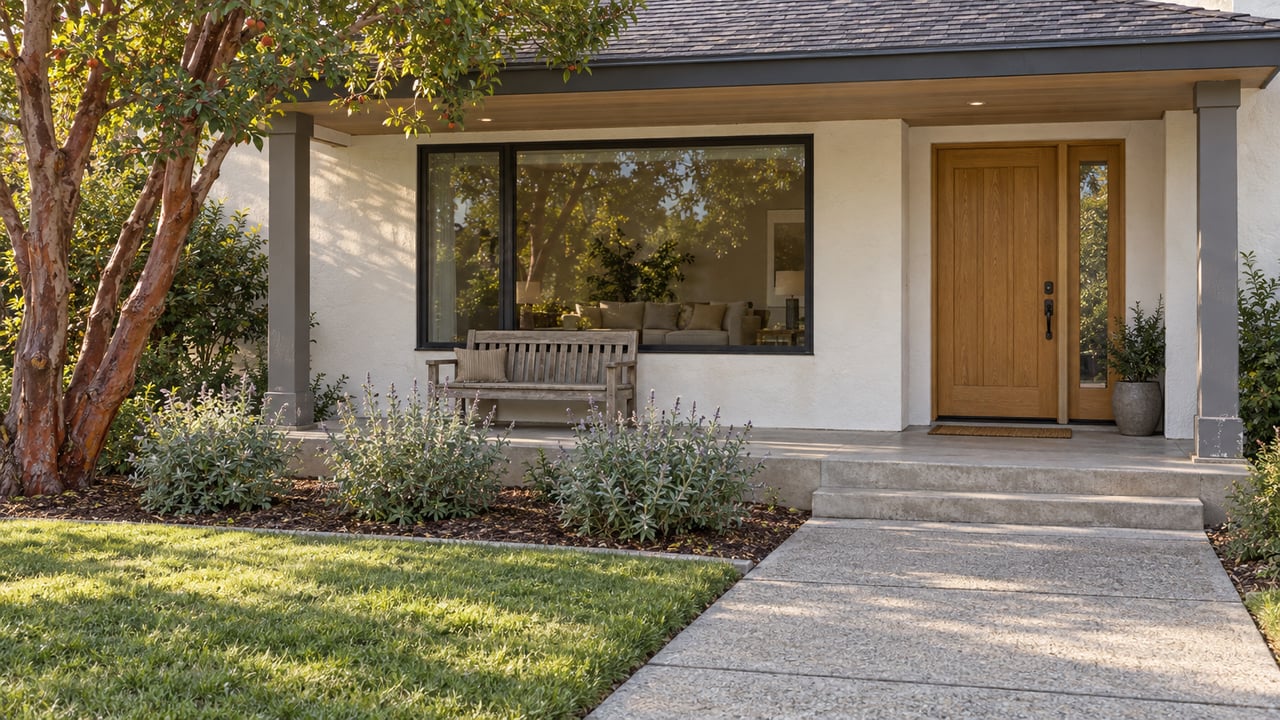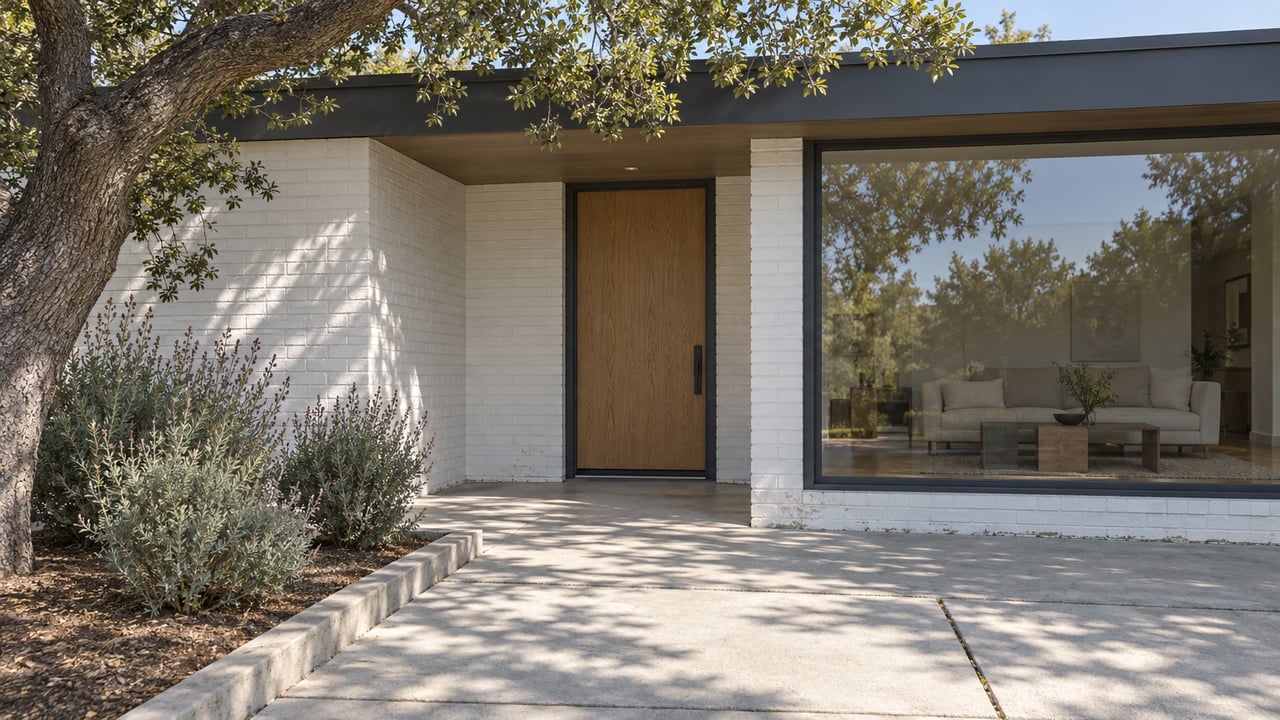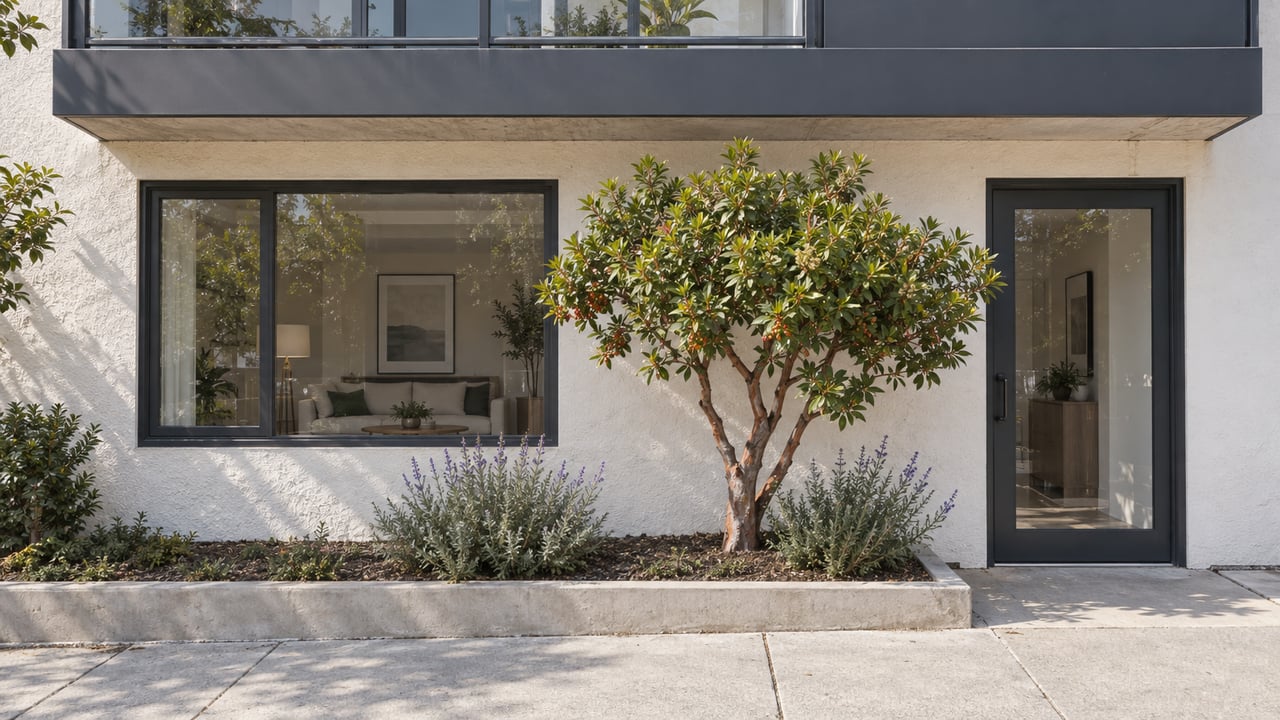
If you have ever looked at homes in Pacific Palisades and wondered why two properties just minutes apart can feel completely different, you are asking the right question. Pacific Palisades is not one uniform neighborhood. It is better understood as a collection of smaller micro-neighborhoods shaped by street patterns, topography, housing scale, and how close you are to the village, parks, and coastline. This guide will help you understand the three local pockets buyers compare most often so you can focus your search with more confidence. Let’s dive in.
Why Pacific Palisades Feels So Varied
Pacific Palisades is organized around smaller local areas rather than one single housing pattern. Community Council maps identify distinct sections such as the Alphabet Streets, El Medio Bluffs, and Via Mesa/Bluffs, which reflects how much the area is defined by subdivision lines, bluff edges, and canyon geography.
That matters when you are buying or selling. A home’s feel, lot pattern, access to parks, and relationship to the commercial core can shift quickly from one pocket to the next. In practical terms, many buyers are not choosing only Pacific Palisades. They are choosing a specific version of Pacific Palisades.
Start With the Village Core
Palisades Village is the community’s central commercial hub at 15225 Palisades Village Lane. Its mix of shopping, dining, entertainment, and the Bay Theater has long made it a key reference point when buyers compare convenience and lifestyle.
As of the current research, Palisades Village is closed, with reopening planned for August 2026. If village access is part of your decision, it is smart to verify current reopening timelines and nearby conditions before you tour homes.
Alphabet Streets at a Glance
The Alphabet Streets sit north of Sunset Boulevard between Temescal Canyon and Rivas Canyon, including Bestor Boulevard. This area is known for its compact rectangular grid and relatively dense, flat lots that are generally about 5,200 to 7,200 square feet.
The neighborhood nickname comes from its street naming pattern, which was assigned in alphabetical order after Christian church leaders. Today, the more important takeaway for buyers is how the layout feels on the ground. Compared with other Palisades pockets, this area has a tighter residential fabric and shorter blocks.
Why Buyers Like Alphabet Streets
For many buyers, the biggest draw is proximity to the village core. Because the neighborhood sits just north of the commercial center and follows a compact grid, it is commonly viewed as one of the most village-adjacent and walkable pockets in this guide.
That is not a formal city designation, but it is a practical conclusion based on location and layout. If you want a neighborhood where day-to-day errands and local destinations feel closer at hand, this area often makes the first shortlist.
Home Pattern in Alphabet Streets
Housing here is associated more with smaller-lot, street-grid development than broad estate parcels. That creates a more traditional neighborhood street scene with homes set within a tighter pattern.
If you are drawn to a classic residential feel with a compact footprint, the Alphabet Streets may fit well. Buyers who prioritize immediate village access often start here first.
Huntington Palisades at a Glance
Huntington Palisades is a historic subdivision on a 226-acre mesa between Potrero Canyon and Santa Monica Canyon. It is bounded by Sunset Boulevard, Pacific Coast Highway, Chautauqua Boulevard, and Potrero Canyon Park, with Pampas Ricas Boulevard serving as the neighborhood spine.
This area reads very differently from Alphabet Streets. The planning framework, larger scale, and curving streets create a more expansive feel from the moment you enter.
Why Buyers Like Huntington
Huntington Palisades tends to appeal to buyers looking for a more formal and established residential setting. The neighborhood includes wide curvilinear streets, landscaped parkways, mature street trees, period streetlights, and landscaped medians.
Those physical features give the area a distinct sense of planning and visual rhythm. If you are looking for a classic early subdivision feel with more breathing room, Huntington often stands out.
Home Pattern in Huntington
The housing stock includes large one- and two-story single-family homes with detached garages. The district includes original residences dating from the 1920s through the 1950s, along with later construction that often references period architectural styles.
In simple terms, homes here tend to feel larger and more estate-like than what you usually find in the Alphabet Streets. Buyers who want a traditional single-family setting with broader streets and a more substantial home scale often gravitate toward this pocket.
Huntington and Outdoor Access
Huntington also offers strong access to bluff and canyon recreation. Its western and southern edges sit near Potrero Canyon and the coastal side of the Palisades, which can be especially appealing if you want a classic residential setting without feeling far from open space.
That blend of neighborhood structure and outdoor access is a big part of Huntington’s appeal. It can offer a balance between residential scale and proximity to some of the area’s best natural features.
The Bluffs at a Glance
The bluffs are a little more nuanced because the term is used in more than one way locally. Community Council materials separate Area 4 as El Medio Bluffs and Area 6 as Via Mesa/Bluffs, Huntington, which means buyers should think of the bluffs as overlapping bluff-top pockets rather than one single formal subdivision.
Even with that overlap, the identity is fairly consistent. These areas are generally tied to elevated topography, view orientation, and single-family residential streets.
Why Buyers Like the Bluffs
A city planning report describing a home in what real estate professionals call El Medio Bluffs notes Pacific Ocean views from the property and proximity to Palisades Asilomar park. That gives a useful snapshot of what many buyers are responding to in these bluff pockets.
In lifestyle terms, the bluffs often feel quieter and more private than village-adjacent grid neighborhoods. That impression comes from the topography, the residential pattern, and the way these pockets relate to the coastline.
Home Pattern on the Bluffs
The bluff areas are predominantly single-family in character. While individual homes vary, the bigger story is setting rather than one uniform architectural type.
If your priorities include elevated positioning, a stronger sense of separation, and a setting that feels connected to the coast and canyon edges, the bluffs often deserve a closer look.
Bluff Access to Parks and Trails
One of the strongest advantages of the bluff pockets is outdoor access. George Wolfberg Park at Potrero Canyon opened in December 2022 as a 46-acre passive park above Will Rogers State Beach and Pacific Coast Highway, with 1.75 miles of walking paths.
Will Rogers State Historic Park reopened with limited access on November 8, 2025. Temescal Gateway Park also offers 141 acres of trails and ridge-top views at 15601 Sunset Boulevard.
For buyers who want easy access to trails, open space, and coastal parkland, this is often the most compelling micro-neighborhood category in Pacific Palisades. Before visiting, it is wise to confirm current access, parking, and any construction-related conditions.
Which Pacific Palisades Pocket Fits You?
If you are trying to narrow your search, a simple side-by-side framework can help. Most buyers comparing these areas are really weighing convenience, home scale, and outdoor access.
| Micro-neighborhood | Often appeals to buyers who want | Typical feel |
|---|---|---|
| Alphabet Streets | Closer access to the village core and a compact street grid | Traditional, connected, village-adjacent |
| Huntington Palisades | Larger homes, broader streets, and a classic subdivision layout | Formal, established, estate-like |
| The Bluffs | Elevated settings, possible views, and strong trail or park access | Quiet, private, view-oriented |
This is a useful starting point, not a substitute for walking the streets and comparing homes in person. In Pacific Palisades, small geographic shifts can have a big impact on how a neighborhood lives day to day.
What Sellers Should Know
If you are selling in Pacific Palisades, your micro-neighborhood is a major part of your positioning. Buyers are often not just shopping by price or bedroom count. They are comparing the village-adjacent grid of the Alphabet Streets, the broader residential scale of Huntington, and the elevated outdoor lifestyle of the bluffs.
That means your marketing should tell a location-specific story. The strongest listing strategy highlights how your home fits into its immediate pocket, not just the broader Pacific Palisades label.
Why Local Context Matters
Pacific Palisades rewards nuance. Two homes with similar square footage can attract very different buyers depending on whether they sit on a flat grid near the village, along a curving Huntington street, or in a bluff-top setting near canyon and coastal open space.
That is why local neighborhood literacy matters so much here. When you understand the micro-neighborhood first, your home search gets sharper and your pricing or marketing strategy gets smarter.
If you want help comparing Pacific Palisades pockets, planning a move, or positioning a home for sale, Mitch Bassett brings Westside neighborhood knowledge, concierge-level service, and a practical, high-touch approach to every step.
FAQs
What are the main micro-neighborhoods buyers compare in Pacific Palisades?
- Buyers commonly compare the Alphabet Streets, Huntington Palisades, and the bluff pockets such as El Medio Bluffs and Via Mesa/Bluffs.
Which Pacific Palisades area is closest to Palisades Village?
- The Alphabet Streets are generally viewed as the most village-adjacent because they sit north of the commercial core and follow a compact street grid.
Which Pacific Palisades neighborhood has larger traditional single-family homes?
- Huntington Palisades is most associated with larger one- and two-story single-family homes, wider streets, landscaped medians, and a more expansive subdivision pattern.
What does the term bluffs mean in Pacific Palisades?
- Locally, the bluffs usually refers to overlapping bluff-top pockets rather than one single formal subdivision, including areas identified as El Medio Bluffs and Via Mesa/Bluffs.
Which Pacific Palisades pocket is best for trail and park access?
- The bluff areas often stand out for access to George Wolfberg Park at Potrero Canyon, Will Rogers State Historic Park, and Temescal Gateway Park.
Is Palisades Village open right now?
- According to the current research, Palisades Village is closed, with reopening planned for August 2026, so you should verify current conditions before touring.