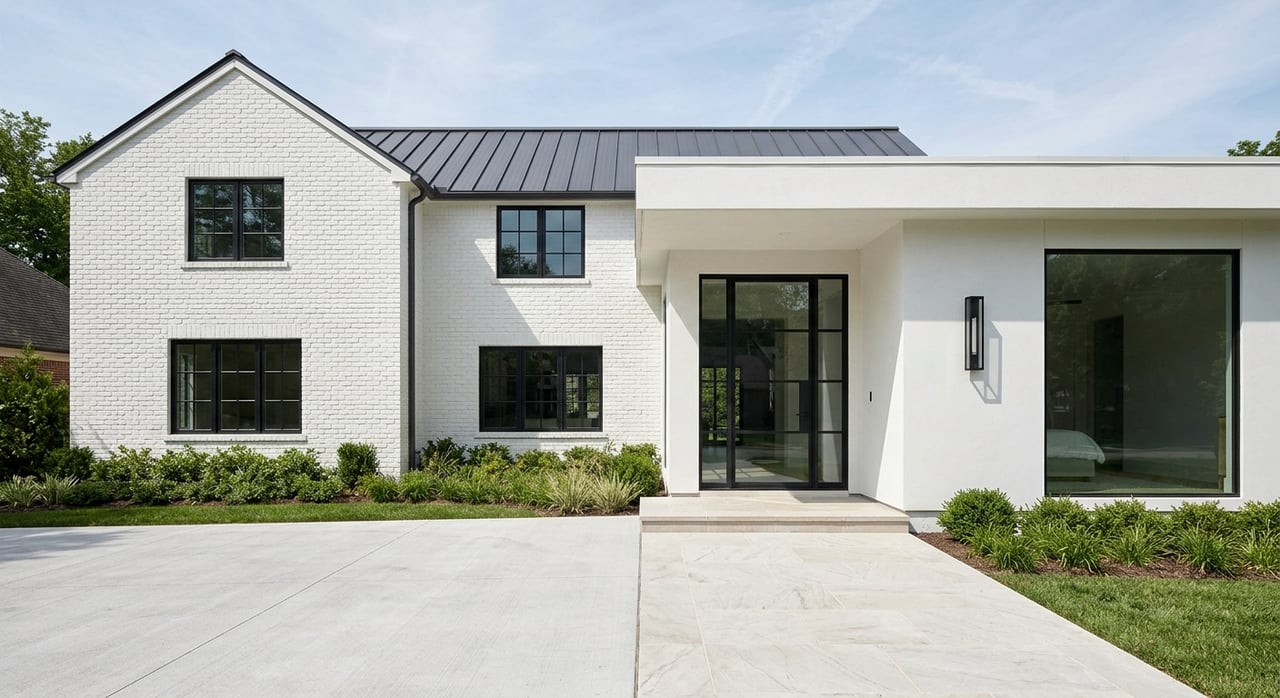
If you are shopping in Brentwood, one of the biggest decisions is not just where to buy, but what era of home fits the way you want to live. In a neighborhood where both classic estates and newer modern homes can command multimillion-dollar prices, the right choice often comes down to land, privacy, maintenance, and long-term ownership goals. This guide will help you compare both paths so you can make a more confident move in Brentwood. Let’s dive in.
Brentwood’s Housing Mix
Brentwood is still defined by its residential character. According to the Brentwood-Pacific Palisades Community Plan area report, the neighborhood is largely single-family and low-density, with flatter grid-patterned streets south of San Vicente and more curving hillside and canyon streets between San Vicente and Sunset and farther north.
That layout helps explain why home style feels so varied here. Brentwood includes older estate streets, historic modernist homes, ranch-era properties, and newer infill construction, all within a market where Redfin reported a March 2026 median sale price of $2.25M and Zillow placed the average home value at $2,886,721 as of March 31, 2026.
What Defines a Classic Estate
In Brentwood, classic estates usually refer to homes built from the 1920s through the 1950s, especially in Brentwood Park and nearby estate streets. The SurveyLA district documentation describes these areas as having minimum lot sizes, deep setbacks, and one house per lot.
That classic inventory covers more than one look. You will find American Colonial, Spanish Colonial, Tudor, early Modern, and Ranch styles, along with properties on lots that can exceed an acre. In practical terms, the appeal is often less about a single design style and more about the setting the home sits in.
Why Classic Estates Stand Out
Classic estates tend to offer the kind of physical presence that is hard to recreate. Brentwood Park, for example, is known for generous lot scale, mature landscaping, privacy walls and hedges, and in some areas no sidewalks, all of which shape the feel of the street.
If you value separation from neighbors, established trees, and a sense of history, these homes often make a strong first impression. For many buyers, the land and street character are the real luxury.
Classic Does Not Mean One Style
It also helps to avoid treating all older Brentwood homes as formal mansions. The historic record includes ranch and equestrian-oriented areas such as Old Ranch Road and Riviera Ranch, where the original planning included rustic features, stables, corrals, and an outdoor-living mindset.
SurveyLA notes that Cliff May’s Riviera Ranch helped introduce new postwar ideas about residential design. So when you compare “classic” versus “modern,” remember that some classic Brentwood homes are already modern in spirit, just from an earlier era.
What Defines a Modern Brentwood Home
Modern Brentwood homes usually fall into two different buckets: historic modernist homes and newer construction. That distinction matters.
According to SurveyLA’s individual resources documentation, Brentwood has notable examples of early modern, mid-century modern, and late modern residential architecture by figures including Lloyd Wright, Richard Neutra, Craig Ellwood, Raymond Kappe, and Ted Tokio Tanaka. These homes may feel modern, but they are not the same thing as recently built spec or custom construction.
New Construction in Brentwood
Brentwood has also seen substantial newer infill. The SurveyLA district report notes that many more recent homes were built from the 1980s to the present, and that some newer homes mimic earlier Period Revival styles at a larger scale. It also states that Brentwood Park has experienced widespread demolition and replacement with new construction.
For buyers, these homes often appeal because they feel more turnkey. Layouts, systems, finishes, and day-to-day functionality may align better with current expectations.
Land Versus Turnkey Living
This is often the real comparison.
Classic estates usually win on lot quality, privacy, and mature landscaping. Newer homes often win on current systems, lower near-term maintenance, and the convenience of moving into a home that may need less immediate work.
The DOE Efficient New Homes program notes that certified efficient new homes are built for energy savings, comfort, health, and durability. For you as a buyer, that can translate into a simpler ownership experience, especially if you do not want to take on a renovation soon after closing.
Where Newer Homes May Give Up Ground
The tradeoff is that newer construction does not automatically reproduce what made Brentwood’s older estate streets special in the first place. Based on the district descriptions of classic lots and later infill, newer homes may offer larger contemporary floor plans and newer systems without matching the same lot depth, separation, or landscape maturity.
That does not make one option better across the board. It simply means you should look past square footage and ask what you are really paying for.
Maintenance and Renovation Realities
Older homes can be deeply rewarding, but they often come with more variables. If a home was built before 1978, the EPA notes that it is more likely to contain lead-based paint, and renovation or repair work that disturbs it can create hazardous dust and may require lead-safe certified contractors.
The EPA also explains that asbestos is generally safest left undisturbed if it is in good condition, but remodeling may require trained and accredited professionals. If you are considering a classic estate with plans to update kitchens, baths, windows, or systems, these are important ownership costs to think through early.
Energy Upgrades in Older Homes
Energy performance is another major point of comparison. The DOE’s Home Performance with ENERGY STAR guidance focuses on upgrades that can improve comfort, durability, and efficiency in older homes.
That means an older Brentwood property may offer tremendous character and setting, but it may also need thoughtful upgrades to align with your comfort and operating-cost goals. In many cases, the house itself is only part of the investment equation.
How to Choose the Right Fit
In Brentwood, age alone is rarely the best filter. A better way to compare homes is to look at the factors that are most likely to shape your day-to-day experience and long-term satisfaction.
Questions to Ask Yourself
- Do you care most about lot size, privacy, and mature landscaping?
- Do you want architectural pedigree or historic character?
- Would you prefer lower near-term maintenance and more current systems?
- Are you comfortable with renovation planning and variable ownership costs?
- Is your priority the setting and land, or the ease of turnkey living?
If your answer leans toward setting, privacy, and long-term emotional appeal, a classic estate may feel like the stronger fit. If your answer leans toward convenience, efficiency, and simpler day-to-day ownership, a newer modern home may make more sense.
Long-Term Value in Brentwood
Brentwood’s long-term appeal is shaped by more than architecture. Based on the neighborhood’s continued demand for estate-sized lots, ongoing replacement activity, and premium pricing, factors like lot quality, privacy, location within Brentwood, renovation quality, and systems may matter more than whether a home is technically old or new.
That is especially important in a market at Brentwood’s price point. When homes already sit in the multimillion-dollar tier, the better question is often not “Which era is best?” but “Which property gives you the best combination of land, livability, and lasting appeal?”
A Smart Way to Tour Both
If you are actively comparing classic estates and newer modern homes, try to evaluate both with the same lens. Pay attention to:
- The lot’s shape, depth, and usable outdoor space
- Privacy from the street and neighboring homes
- The maturity of landscaping and overall setting
- The condition and age of major systems
- The level of renovation or deferred maintenance
- How the floor plan fits your daily routine
This kind of side-by-side comparison can keep you from overvaluing finishes while missing larger ownership factors. In Brentwood, the details behind the walls and beyond the front elevation often matter just as much as first impressions.
Whether you are drawn to a timeless estate street or a more turnkey modern property, the best Brentwood purchase is usually the one that matches your priorities with clear eyes. If you want help weighing lot quality, renovation risk, and day-to-day livability across Brentwood options, Mitch Bassett can help you compare properties with a practical, local perspective.
FAQs
Are classic Brentwood estates usually older homes?
- Yes. In Brentwood, classic estates generally refer to homes built from the 1920s through the 1950s, especially on established estate streets such as those in Brentwood Park.
Are modern Brentwood homes always new construction?
- No. Brentwood includes both historic modernist homes and newer construction, so a home can look modern while still being from an earlier architectural era.
Do classic Brentwood estates usually cost more to maintain?
- They can. Older systems, historic materials, landscape upkeep, and possible retrofit or renovation work can make ownership costs more variable than with newer homes.
Do newer Brentwood homes offer better energy performance?
- In many cases, newer homes may offer more current building performance and efficiency features, and DOE notes that efficient new homes are designed for energy savings, comfort, health, and durability.
Do newer homes in Brentwood have the same lot feel as classic estates?
- Not always. Newer homes may offer turnkey living and larger contemporary layouts, but they may not match the lot depth, separation, or mature landscaping often found on classic estate streets.
What matters most when choosing between old and new homes in Brentwood?
- The most important factors are usually lot quality, privacy, location within Brentwood, renovation quality, systems, and how well the home fits your long-term ownership goals.